
Has your dentist talked to you about fixing a tooth with a dental crown? You might have a tooth that’s cracked, worn down, or has a very large filling. A crown is a custom-made restoration that fits over your entire tooth. It can protect a weak tooth, restore one that’s broken, cover a discolored tooth, or support a tooth with a large filling.
While the idea of any dental procedure can make some people nervous, knowing exactly what will happen can make a big difference. Understanding the simple, step by step process can help you feel calm and confident. Let’s walk through what happens when you get a dental crown, from your first visit to the final polish.
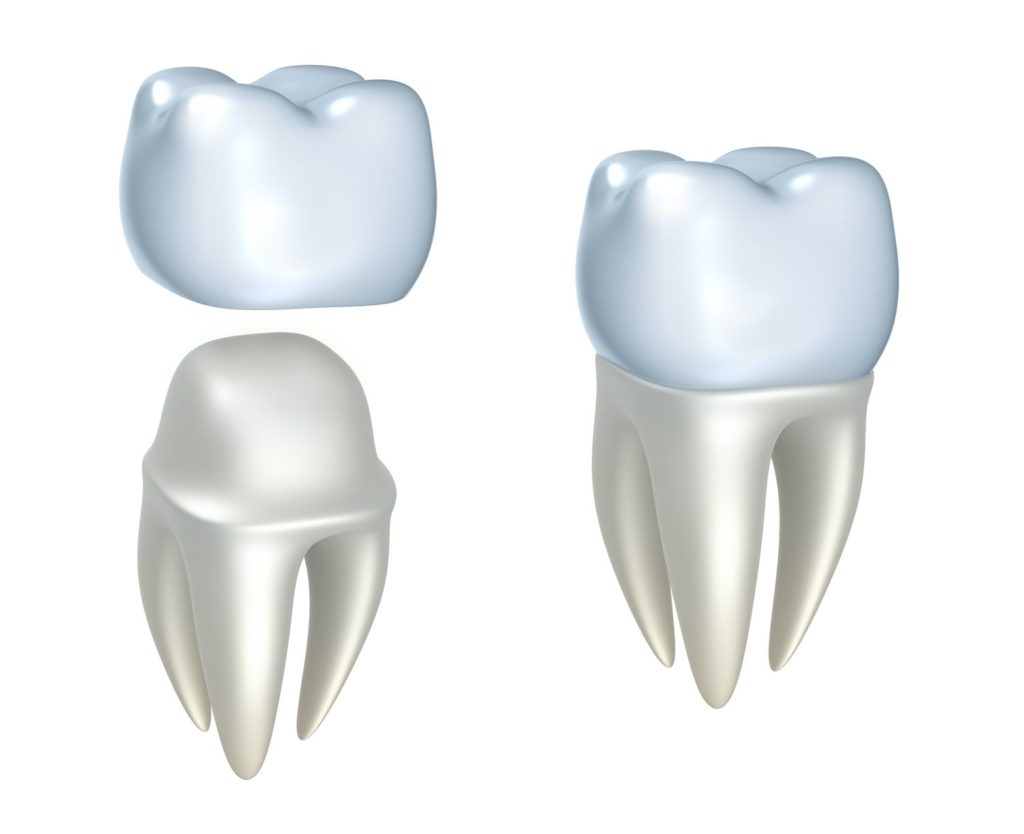
The Dental Crown Procedure: A Simple Breakdown
Step 1: The Exam & Planning
Your journey does not start with the drill. It starts with a conversation and a careful look. Your dentist will first examine the tooth that needs the crown. They will likely take an X-ray to check the roots of the tooth and the health of the surrounding bone. This is to make sure the tooth is strong enough to support a crown and does not need other treatment first, like a root canal.
This is also your chance to talk about your goals. Is the crown mainly for strength, for looks, or both? Your dentist will explain why a crown is the best solution for you and answer all your questions before anything else happens.
Step 2: Preparing Your Tooth
If you decide to move forward, the next step is to prepare your tooth. First, your dentist will numb the area completely with a local anesthetic. You should not feel any pain during the procedure, just some pressure.
The dentist then carefully shapes the outer surface of your tooth. They remove a thin layer of enamel from all sides and the top of the tooth. This is to make room for the crown so it does not feel bulky or oversized in your mouth.
Step 3: Taking Impressions and Choosing a Shade
Once your tooth is perfectly shaped, the dentist needs to capture its exact form and the shape of the teeth around it. This is how they make a crown that fits you and only you.
Most dentists today use a small, handheld digital scanner. It takes a highly accurate 3D picture of your prepared tooth and your bite. In some cases, a dentist might use a putty-like material to make a physical mold. Both methods work well to create a precise model that’s sent to a dental lab.
This is also the moment you help choose the shade of your new crown. Your dentist will use a shade guide to match the crown to the color of your neighboring natural teeth so it blends in seamlessly.
Step 4: Your Temporary Crown
Because your permanent crown is custom made in a lab, it takes about two to three weeks to be ready. You will not leave the office with a prepared, sensitive tooth.
Before you leave your first appointment, the dentist will place a temporary crown over your tooth. This temporary crown is made from acrylic or soft plastic right in the office. It protects the shaped tooth, keeps your gums healthy, and allows you to eat and smile normally while you wait. It’s just not as strong or precisely fitted as your final crown will be.
Step 5: Placing Your Permanent Crown
When your custom crown is back from the lab, you will return for your second and final appointment. Your dentist will first remove the temporary crown and clean the area. They will then try the new crown in your mouth to check the fit, the color match, and how it feels when you bite down. You will get to see it and make sure you are happy with how it looks.
If everything is perfect, your dentist will apply a special dental cement to the inside of the crown and carefully place it onto your tooth. They will make sure it’s seated perfectly, remove any extra cement, and give it a final polish. They will check your bite one more time to ensure it feels completely natural.
Caring for Your New Crown
A dental crown does not require special care, but the tooth underneath it still needs protection from decay and gum disease. The best way to care for your crown is to practice excellent oral hygiene.
- Brush twice a day and floss once a day, paying extra attention to the area where the crown meets your gum.
- Avoid chewing extremely hard foods like ice or hard candy with your crowned tooth, as this can damage the porcelain.
- See your dentist regularly for checkups and cleanings.
With proper care, a well made dental crown can last for ten to fifteen years or even longer, making it a durable and reliable solution for your smile.
If you are in the Columbia, MD area and have a tooth that needs strengthening or restoring, Dr. Sahil Goyal and the team at Columbia Family Dentist are here to help. Dr. Goyal provides gentle, expert crown treatment along with a full range of general, cosmetic, and restorative dental care.
Do not let a damaged tooth hold you back. To learn more about how a dental crown can protect your smile, schedule a consultation with our office by phone at 410-670-8211 or contact us online today.