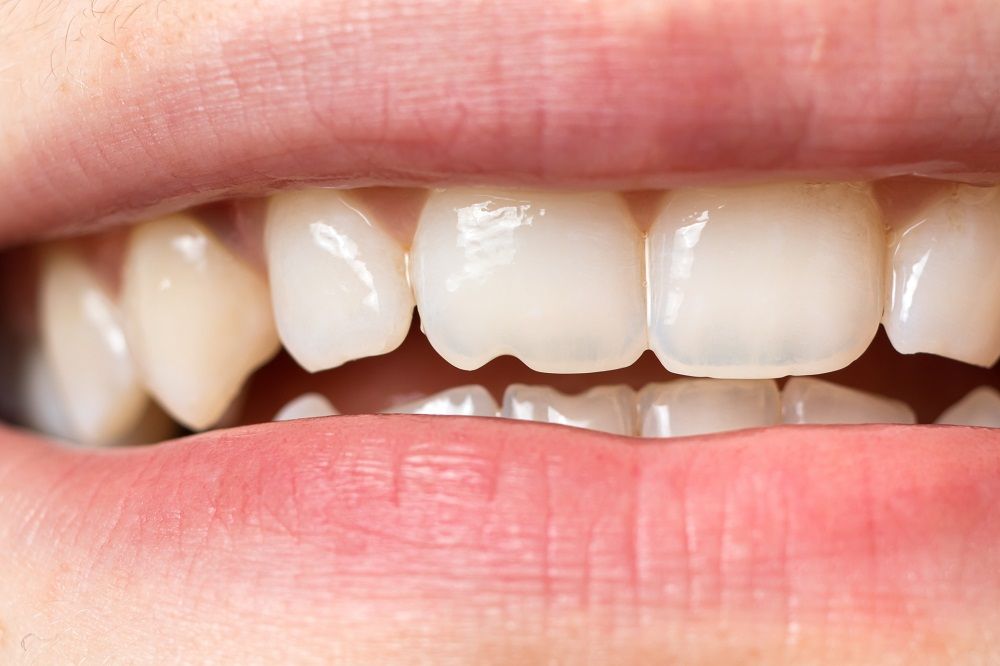
Have you ever looked closely at your smile in the mirror and noticed that the edges of your teeth look a little clear or see-through? You might feel a bit self-conscious about it, wondering if your smile looks as strong as it should. But beyond the cosmetic concern, that translucent effect can be an important clue about the health of your teeth.
The good news is that Dr. Goyal can absolutely help you improve how your smile looks. More importantly, they can address the underlying reason for the translucency to protect your teeth from future dental problems. Let’s break down what’s happening, why it matters, and what you can do about it.
Why Are My Teeth See-Through? Understanding and Fixing Translucent Teeth
The Basics: Your Tooth’s Natural Armor
To understand translucent teeth, you first need to know a little about tooth anatomy. Imagine your tooth is like a fortress.
- The Enamel: This is the tough, white, outer wall of the fortress. It’s the hardest substance in your entire body that’s even stronger than bone! Its job is to protect the softer, more sensitive parts inside from attacks by bacteria, acid, and daily wear and tear.
- The Dentin: This is the inner part of the fortress, right behind the wall. It’s a yellowish, bonelike material that gives your tooth its basic shape and color.
A healthy, strong fortress has thick, opaque walls. When those walls (your enamel) start to get thin and wear away. You can start to see the yellowish color of the dentin showing through, and the very edges, where the enamel is thinnest, can become see-through. This is the translucency you’re noticing.
What’s Wearing Down My Fortress Walls? Common Culprits
Enamel doesn’t have living cells, which means once it’s gone, your body can’t grow it back. That’s why it’s so important to protect it. Here are the main things that can cause enamel to erode and lead to those transparent edges:
- Acid is the Main Enemy: This is the biggest cause. Acid softens and dissolves your enamel over time. Sodas (even diet), sports drinks, citrus fruits and juices, and sour candies are all highly acidic. Acid reflux (GERD) or frequent vomiting bring strong stomach acids up into your mouth, which can be very damaging to enamel.
- Teeth Grinding (Bruxism): If you clench or grind your teeth, you’re putting an incredible amount of pressure on them. This friction can literally sand down your enamel, much like sandpaper wears down wood.
- A Condition Called Enamel Hypoplasia: This is a fancy term for when a person’s enamel doesn’t form properly during childhood. It can be caused by genetics, poor nutrition early in life, or a high fever as a baby. The result is teeth that are naturally thinner or weaker from the start.
- Over-Brushing: Yes, you can have too much of a good thing! Brushing too hard or using a hard-bristled toothbrush can actually scrub away your enamel over time, especially at the gum line.
- Genetics and Aging: Some people are just born with naturally thinner enamel. And, just like the rest of our bodies, our teeth show signs of wear as we get older. A lifetime of chewing and exposure to acids can naturally thin the enamel.
More Than Just a Cosmetic Problem
While not liking the look of your smile is a valid reason to seek help, translucent teeth can lead to real dental health issues. With your protective enamel wall weakened, you’re more vulnerable to:
- Increased Sensitivity: As the enamel thins, it gets closer to the nerve inside your tooth. You might feel sharp zings of pain with hot coffee, ice cream, or even cold air.
- A Higher Risk of Cavities: With less armor, it’s easier for cavity-causing bacteria to break through and cause decay.
- Chipping and Cracking: Thin, weak enamel is more fragile and prone to damage when you bite down on something hard.
How Your Dentist Can Help: Repair and Restore
So, what can be done? Your dentist has several tools to fix both the appearance and the strength of your teeth.
For Strengthening, your dentist can apply a high-concentration fluoride gel or varnish. Fluoride acts like a repair crew, helping to “re-mineralize” your enamel, making it stronger and more resistant to acid. This is a great first step to stop the problem from getting worse.
For Restoring Appearance and Structure:
- Dental Bonding: For minor translucency, this is a simple and affordable fix. Your dentist applies a tooth-colored resin to the see-through areas and hardens it with a special light. It’s like filling in the thin spots with a durable, custom-matched material.
- Porcelain Veneers: These are custom-made, thin shells of ceramic that are permanently bonded to the front of your teeth. They completely cover the translucent areas, creating a strong, uniform, and brilliantly opaque smile. Veneers are a long-lasting solution for more significant enamel loss.
- Dental Crowns: If the enamel loss is severe and the tooth’s structure is compromised, a crown (or “cap”) might be the best option. It covers the entire tooth, protecting it and restoring its shape and strength.
Your Daily Defense: How to Protect Your Enamel
Prevention is always better than cure. Here’s how you can be a hero for your enamel every day:
- Rethink Your Drinks: Try to cut back on soda and sports drinks. When you do have them, drink them quickly instead of sipping over a long period, and use a straw to bypass your teeth. Always rinse your mouth with water afterward.
- Wait to Brush: If you’ve just had something acidic, don’t brush your teeth right away! The acid softens the enamel, and brushing can then wear it away. Wait at least 30 minutes for your saliva to naturally neutralize the acid.
- Use the Right Tools: Switch to a soft-bristled toothbrush and focus on using gentle, circular motions rather than harsh back-and-forth scrubbing.
- Chew Sugar-Free Gum: Chewing gum after meals stimulates saliva, which is your mouth’s natural defense against acid.
- Talk to Dr. Goyal: If you grind your teeth, ask about a night guard. If you have acid reflux, talk to your doctor about managing it.
If you’re worried about the look or feel of your teeth, don’t ignore it. Schedule a visit with Dr. Goyal. We can figure out the exact cause of the translucency and recommend the best path forward to a stronger smile.