
If your dentist has ever suggested braces to straighten your teeth, you’ve probably seen the modern version. But the desire for a straighter smile is nothing new. In fact, people have been trying to fix crooked teeth for thousands of years.
The braces we know today are the result of a long and surprising history of experiments. From ancient materials to space-age technology, the journey of orthodontics is a fascinating story. Let’s explore how braces evolved from primitive ideas into the comfortable, effective treatments we have now.
The History of Braces: From Ancient Ropes to Invisible Aligners
Have you ever wondered how people straightened their crooked teeth before modern braces? The journey to a perfect smile is a long and fascinating one, stretching back thousands of years. From ancient mummies to space-age technology, the history of braces shows how a simple idea evolved into the comfortable and effective treatments we have today.
Early Teeth-Straightening Efforts
The desire for straight teeth is as old as civilization itself. Archaeologists have found mummies from ancient Egypt with crude metal bands wrapped around their teeth. Experts believe these were some of the very first attempts at straightening teeth. Though we can only guess how painful they might have been.
The first written records about orthodontics come from Ancient Rome. A philosopher named Aulus Cornelius Celsus wrote that he could slowly move teeth by pushing on them with his fingers at regular intervals. While this wasn’t a very precise method, it showed an early understanding that constant pressure could change a tooth’s position.
Progress really started to happen in the 18th century. French dentists began to focus specifically on straightening teeth. They invented a device called a “bandeau.” It was a horseshoe-shaped piece of metal placed in the mouth to expand the arch and create more space for crowded teeth. They were also among the first to recommend extracting teeth to relieve overcrowding, a practice that is still sometimes used today.
Evolution to Traditional Braces
The big breakthrough came in 1819. A French dentist named Christophe-François Delabarre created the first version of what we would recognize as braces. He used a wire “crib” that fit over the teeth, which he could adjust to apply pressure. Throughout the 1800s, dentists added new materials like rubber bands and elastics to make the appliances more effective and a little more comfortable.
By the early 1900s, braces were becoming a established dental treatment, but they were mostly for the wealthy. The materials were expensive and the process was time-consuming. A major change happened when dentists started using stainless steel in the 1970s.
This made braces stronger, smaller, and much more affordable for the average family. This design used small brackets glued to the teeth and connected by a wire. It’s the same basic concept we use now.
Modern Orthodontic Treatment Options
Today, orthodontics is more advanced and patient-friendly than ever before. While traditional metal braces are still a highly effective and common choice, there are now several options to fit different lifestyles and needs.
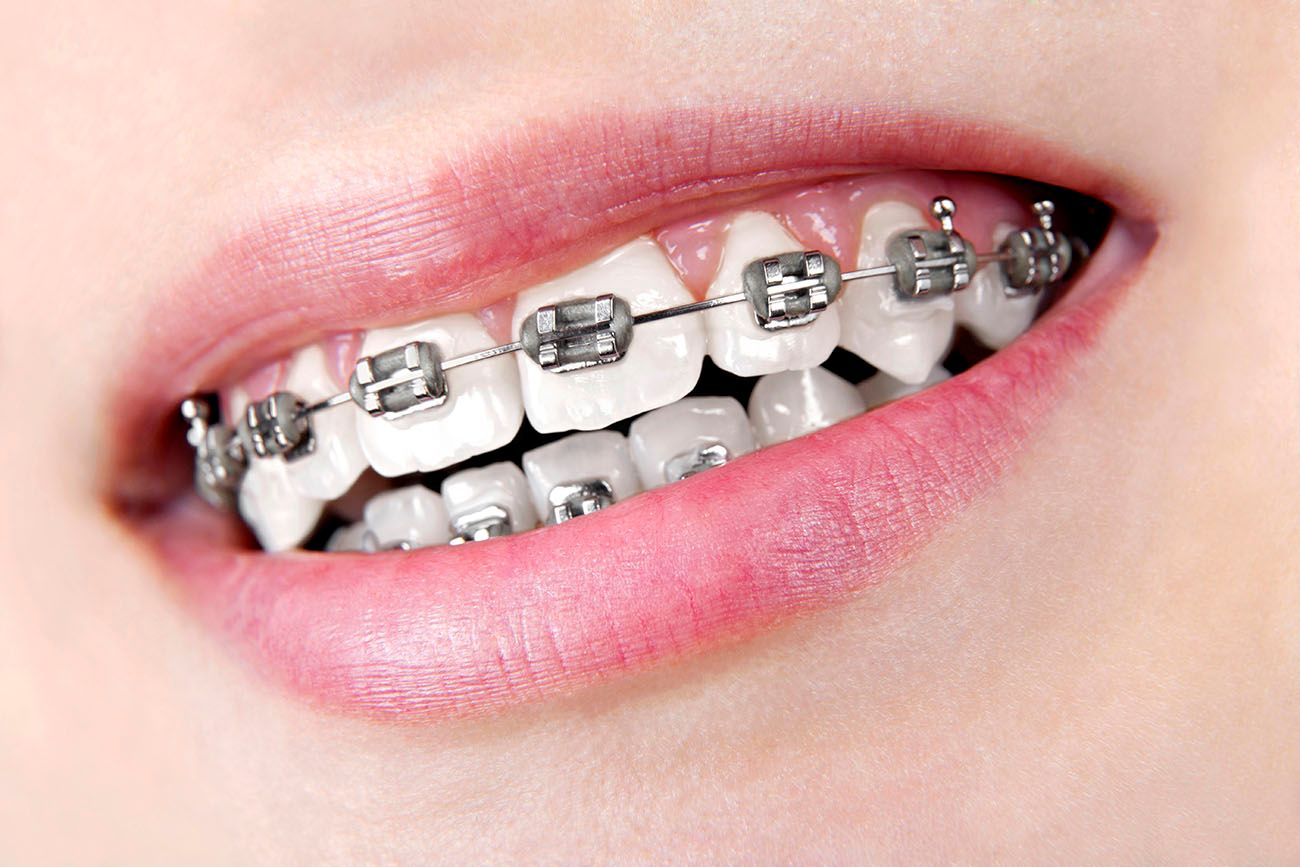
Traditional Metal Braces are the most powerful tool for correcting severe bite issues and complex crowding. The brackets are now much smaller and more comfortable than in the past. Patients can even choose fun colored bands to personalize their smile during treatment.
Clear Braces offer a more subtle look. These work exactly like metal braces, but the brackets are a clear or tooth-colored ceramic material, making them much less noticeable.
Invisalign® and clear aligners have revolutionized orthodontics for many teens and adults. This system uses a series of custom-made, clear plastic trays that are virtually invisible. The biggest advantage is that the aligners are removable, allowing you to eat, brush, and floss normally.
This makes oral hygiene much easier during treatment. However, clear aligners are best for mild to moderate cases of crowding or spacing. More complex issues often still need the precise control of traditional braces.
The Future of Braces
So, what’s next for orthodontics? Technology continues to move fast. Many orthodontists now use 3D digital scanners instead of goopy impressions to create perfect models of your teeth. This digital model allows them to plan your entire treatment on a computer and even show you a preview of your future smile.
Researchers are also looking at ways to speed up treatment. Some are studying techniques that could use micro-vibrations or light therapy to encourage teeth to move faster. This can potentially reduce treatment time.
No matter which option you choose, the goal remains the same: to create a healthy and beautiful smile that will last a lifetime. If you’re thinking about orthodontic treatment, the best first step is to schedule a consultation with Dr. Goyal. We can examine your teeth, discuss your goals, and help you pick the path that’s right for you.